Why Do Gums Bleed While Brushing? Causes, Gingivitis and Gum Disease Treatment

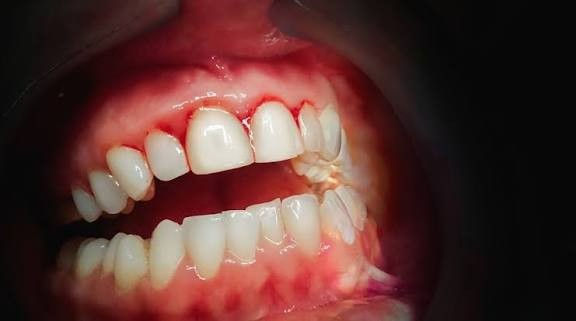
Bleeding gums while brushing are not normal. Although occasional bleeding may seem harmless, repeated bleeding can be an early sign of gingival inflammation (gingivitis), a common form of gum disease.
Healthy gums generally do not bleed during routine brushing or interdental cleaning. If you regularly notice blood while brushing, it is worth understanding the underlying cause rather than simply changing your toothbrush.
At Kiran Dental Clinic – Advanced Ortho & Implant Center, Vizianagaram, we believe that early awareness and appropriate periodontal care are essential for maintaining healthy gums.
1. Why do gums bleed while brushing?
The most common reason for bleeding gums is inflammation caused by dental plaque biofilm.
Dental plaque is a soft, sticky layer of bacteria that continuously forms on tooth surfaces and near the gumline.
When plaque is not removed effectively:
- Bacterial biofilm accumulates around the teeth.
- The surrounding gum tissue becomes inflamed.
- Gums may appear red, swollen or tender.
- Bleeding may occur during brushing or flossing.
Over time, plaque can mineralise and form dental calculus (tartar). Calculus provides a surface on which additional plaque can accumulate and usually requires professional removal.
Important: Bleedinggums should not automatically be attributed to brushing too hard. Persistent bleeding deserves a dental examination.
2. What is gingivitis?
Gingivitis is inflammation of the gums, commonly associated with dental plaque accumulation.
Common signs include:
- Bleeding during brushing or flossing
- Red or swollen gums
- Gum tenderness
- Persistent bad breath
- Increased sensitivity around the gumline
In uncomplicated plaque-induced gingivitis, there is inflammation without periodontal attachment or alveolar bone loss.
The encouraging news is that gingivitis is generally reversible with appropriate professional care and consistent daily plaque control.
3. Can gingivitis progress to periodontitis?
Not every person with gingivitis develops periodontitis. However, in susceptible individuals, persistent periodontal inflammation can progress to a more destructive condition.
Periodontitis affects the supporting structures of the teeth, including the periodontal ligament and alveolar bone.
Possible warning signs include:
- Gum recession
- Persistent bad breath
- Deep periodontal pockets
- Teeth appearing longer
- Tooth mobility
- Changes in the way teeth fit together
Advanced periodontitis can eventually result in tooth loss if not appropriately managed.
Early diagnosis is important because periodontal tissue and bone destruction can have long-term consequences.
4. How is gum disease diagnosed?
Gum disease cannot be accurately diagnosed by looking at bleeding alone.
A periodontal examination may include:
Gum assessment: Evaluation of redness, swelling, recession and other signs of inflammation.
Periodontal probing: Measurement of pocket depths around individual teeth and assessment of bleeding on probing and clinical attachment levels.
Plaque and calculus assessment: Examination of deposits around and below the gumline.
Dental radiographs: When clinically indicated, X-rays help assess the level of supporting alveolar bone.
These findings help the periodontist distinguish gingivitis from periodontitis and determine the appropriate treatment.
5. How are bleeding gums and gum disease treated?
Treatment depends on the diagnosis and severity of the condition.
Common approaches include:
Professional scaling: Removal of plaque and calculus deposits from accessible tooth surfaces.
Subgingival instrumentation: When periodontitis is diagnosed, cleaning beneath the gumline to remove subgingival deposits and disrupt bacterial biofilm.
Oral hygiene guidance: Individualised instructions for brushing and interdental cleaning.
Periodontal maintenance: Regular reassessment and supportive periodontal care to help control disease recurrence.
Some patients with advanced disease may require additional periodontal treatment depending on their clinical findings.
Simply using mouthwash or changing toothpaste cannot replace appropriate periodontal treatment when disease is present.
6. How can you prevent bleeding gums?
Good daily oral hygiene plays a major role in maintaining periodontal health.
Follow these practices:
1. Brush twice daily using a soft-bristled toothbrush and fluoride toothpaste.
2. Clean between your teeth daily using appropriate interdental brushes or floss.
3. Avoid tobacco use.
4. Attend regular dental examinations.
5. Seek professional advice if gum bleeding persists.
6. Follow your dentist's recommended periodontal maintenance schedule.
If brushing causes bleeding, do not stop cleaning your teeth. Use a gentle technique and arrange a professional assessment to identify the cause.
7. When should you consult a periodontist?
Consider a periodontal evaluation if you experience repeated gum bleeding, swollen gums, persistent bad breath, gum recession or loose teeth.
People with diabetes, tobacco exposure or other periodontal risk factors may require particular attention to their gum health.
Early assessment helps identify the problem and plan appropriate care.
Frequently Asked Questions
1. Is bleeding while brushing a sign of gum disease?
It can be. Persistent bleeding is commonly associated with gingival inflammation, although other causes are possible. A dental examination is needed to identify the reason.
2. Can gingivitis be reversed?
Yes. Plaque-induced gingivitis is generally reversible with effective plaque control and appropriate professional care, provided periodontal attachment loss has not occurred.
3. Does scaling cause gum bleeding?
Some temporary gum tenderness or bleeding can occur after professional cleaning, particularly when the gums are already inflamed. Persistent or worsening bleeding should be reviewed by your dentist.
4. Can bleeding gums lead to tooth loss?
Bleeding itself does not cause tooth loss. However, it can indicate inflammation associated with periodontal disease. Advanced periodontitis can damage the supporting bone and eventually lead to tooth loss.
5. Which specialist treats gum disease?
A periodontist is a dental specialist trained in the prevention, diagnosis and treatment of diseases affecting the gums and supporting structures of teeth.
తరచుగా అడిగే ప్రశ్నలు (FAQs)
1. బ్రష్ చేసేటప్పుడు చిగుళ్ల నుంచి రక్తం రావడం సాధారణమేనా?
కాదు. బ్రష్ చేసేటప్పుడు చిగుళ్ల నుంచి తరచుగా రక్తం రావడం చిగుళ్ల వాపు (జింజివైటిస్)కు సంకేతం కావచ్చు. దీనికి సాధారణ కారణం దంతాల చుట్టూ బ్యాక్టీరియా ప్లాక్ పేరుకుపోవడం. సమస్యకు కారణం తెలుసుకోవడానికి దంత వైద్యుడిని సంప్రదించాలి.
2. చిగుళ్ల నుంచి రక్తం వస్తే బ్రష్ చేయడం ఆపాలా?
ఆపకూడదు. మృదువైన బ్రష్తో సున్నితంగా రోజుకు రెండుసార్లు బ్రష్ చేయాలి. దంతాల మధ్య కూడా శుభ్రం చేయాలి. అయితే రక్తస్రావం తరచుగా కొనసాగితే దంత వైద్యుడిని సంప్రదించాలి.
3. జింజివైటిస్ (Gingivitis) అంటే ఏమిటి?
దంతాల చుట్టూ ప్లాక్ పేరుకుపోవడం వల్ల చిగుళ్లలో వాపు రావడాన్ని జింజివైటిస్ అంటారు. చిగుళ్లు ఎర్రగా మారడం, వాపు, బ్రష్ చేసేటప్పుడు రక్తం రావడం దీని ముఖ్యమైన లక్షణాలు. సరైన చికిత్స మరియు నోటి పరిశుభ్రతతో సాధారణంగా ఈ సమస్యను పూర్తిగా తగ్గించవచ్చు.
4. జింజివైటిస్ పీరియడోంటైటిస్గా మారుతుందా?
ప్రతి జింజివైటిస్ కేసు పీరియడోంటైటిస్గా మారదు. అయితే కొంతమందిలో దీర్ఘకాలిక చిగుళ్ల వాపు, వ్యక్తిగత ప్రమాద కారకాల ప్రభావంతో దంతాలకు ఆధారంగా ఉండే కణజాలం మరియు ఎముక దెబ్బతినే పీరియడోంటైటిస్కు దారితీయవచ్చు.
5. స్కేలింగ్ (Scaling) చేయించుకుంటే చిగుళ్ల రక్తస్రావం తగ్గుతుందా?
ప్లాక్ మరియు కాల్క్యులస్ పేరుకుపోవడం వల్ల చిగుళ్ల వాపు వచ్చినప్పుడు ప్రొఫెషనల్ స్కేలింగ్ ఉపయోగపడుతుంది. అయితే పీరియడోంటైటిస్ ఉన్నవారికి మరింత లోతైన చికిత్స అవసరమవచ్చు. చికిత్స విధానం పరీక్షల ఆధారంగా నిర్ణయించబడుతుంది.
6. చిగుళ్ల వ్యాధి వల్ల పళ్లు ఊడిపోతాయా?
అధునాతన పీరియడోంటైటిస్లో దంతాలకు ఆధారంగా ఉండే ఎముక మరియు కణజాలం దెబ్బతినవచ్చు. దీనివల్ల పళ్లు కదలడం, చివరకు ఊడిపోవడం కూడా జరగవచ్చు. ముందుగానే గుర్తించి చికిత్స తీసుకోవడం ముఖ్యం.
7. మౌత్వాష్ వాడితే చిగుళ్ల నుంచి రక్తం రావడం ఆగిపోతుందా?
మౌత్వాష్ ఒక్కటే చిగుళ్ల వ్యాధికి పూర్తి చికిత్స కాదు. సరైన బ్రషింగ్, దంతాల మధ్య శుభ్రత మరియు అవసరమైనప్పుడు ప్రొఫెషనల్ చికిత్స ముఖ్యం. ఏ మౌత్వాష్ వాడాలో దంత వైద్యుడి సలహా తీసుకోవాలి.
8. చిగుళ్ల సమస్యలకు ఏ వైద్యుడిని సంప్రదించాలి?
చిగుళ్ల వ్యాధుల నివారణ, నిర్ధారణ మరియు చికిత్సలో ప్రత్యేక శిక్షణ పొందిన దంత వైద్య నిపుణుడిని పీరియడోంటిస్ట్ (Periodontist) అంటారు.
విజయనగరంలో చిగుళ్ల పరీక్ష మరియు చికిత్స కోసం:
కిరణ్ డెంటల్ క్లినిక్ – అడ్వాన్స్డ్ ఆర్థో & ఇంప్లాంట్ సెంటర్
డా. ప్రియాంక మజ్జి, MDS
పీరియడోంటిస్ట్ & ఇంప్లాంటాలజిస్ట్
📍 విజయనగరం
📞 అపాయింట్మెంట్స్: 8500700701
ఆరోగ్యమైన చిగుళ్లు… ఆరోగ్యమైన చిరునవ్వుకు ఆధారం.
Consult a Periodontist in Vizianagaram
Healthy gums are essential for maintaining natural teeth and long-term oral health.
At Kiran Dental Clinic – Advanced Ortho & Implant Center, Vizianagaram, periodontal evaluation and gumtreatment are provided by:
Dr. Priyanka Majji, MDS
Periodontist & Implantologist
For appointments: 8500700701
Healthy Gums. Healthier Smiles.
This article is intended for general dental education and does not replace an individual clinical examination or professional diagnosis.
Clinical author and reviewer: Dr. Priyanka Majji, MDS, Periodontist & Implantologist.


Comments