Can Loose Teeth Be Saved? Periodontal Splinting Explained

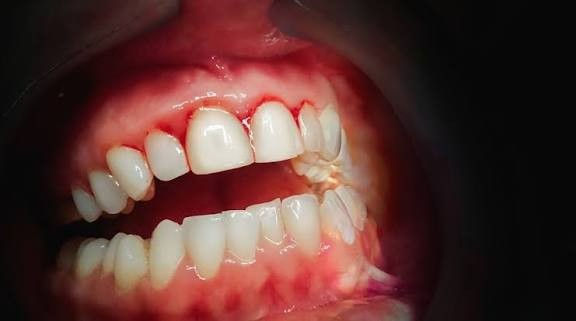
Have you noticed your front teeth moving when you bite or chew? Are you worried that your loose teeth may eventually fall out?
Loose teeth do not always mean extraction is the only option. Depending on the amount of remaining bone support and the underlying cause, selected mobile teeth may be stabilised with a dental procedure called periodontal splinting.
At Kiran Dental Clinic – Advanced Ortho & Implant Center, Vizianagaram, we emphasise accurate periodontal diagnosis and appropriate treatment planning to preserve natural teeth whenever clinically possible.
What Is Periodontal Splinting?
Periodontal splinting is a dental procedure in which mobile teeth are connected to neighbouring teeth using a suitable bonding material and splinting material to improve stability and reduce excessive tooth movement.
Common techniques include fibre-reinforced composite splinting and wire-composite splinting. The procedure helps distribute functional forces across connected teeth and may improve chewing comfort in selected patients.
However, periodontal splinting does not regenerate lost bone or cure gum disease. Successful management also requires treatment of the underlying periodontal condition.
Why Do Teeth Become Loose?
Healthy teeth are supported by the periodontal ligament, alveolar bone and surrounding gingival tissues. Damage to these supporting structures can result in increased tooth mobility.
Common causes include:
1. Advanced Gum Disease (Periodontitis)
Periodontitis is an inflammatory disease affecting the supporting tissues of teeth. As the disease progresses, periodontal attachment and supporting bone may be lost, causing teeth to become mobile.
2. Loss of Supporting Bone
The alveolar bone provides essential support to natural teeth. When bone support decreases, teeth may become increasingly mobile.
3. Excessive Biting Forces
Unfavourable or excessive occlusal forces can contribute to tooth mobility, particularly when periodontal support is already compromised.
4. Dental Trauma
An accidental injury or sudden impact can damage the supporting structures of a tooth and cause mobility.
5. Other Dental Problems
Root fractures, endodontic infections and other dental conditions may also cause tooth mobility. These conditions require specific diagnosis and treatment.
How Does Periodontal Splinting Work?
The primary objective of periodontal splinting is to stabilise mobile teeth by connecting them to neighbouring teeth.
The procedure generally involves the following steps:
1. Periodontal Examination
The dentist evaluates tooth mobility, gum health, periodontal attachment levels and supporting bone.
2. Identification of the Underlying Cause
The cause of tooth mobility must be identified before deciding whether splinting is appropriate.
3. Periodontal Treatment
If gum disease is present, appropriate periodontal treatment is initiated to control inflammation and infection.
4. Splint Placement
A suitable fibre or wire-composite splint is bonded to the selected teeth using dental bonding materials.
5. Bite Assessment
The dentist checks the bite to identify and manage any harmful occlusal interference.
6. Regular Maintenance
The splint and surrounding periodontal tissues must be monitored during regular follow-up visits.
What Are the Benefits of Periodontal Splinting?
When appropriately indicated, periodontal splinting may offer several benefits:
- Helps reduce excessive movement of mobile teeth.
- Improves comfort during chewing.
- Distributes functional forces across connected teeth.
- May help selected compromised teeth remain functional.
- Can improve patient comfort during periodontal treatment and maintenance.
The results depend on the remaining periodontal support, the condition of neighbouring teeth and control of the underlying disease.
Who Is Suitable for Periodontal Splinting?
Periodontal splinting may be considered for patients with:
- Persistent tooth mobility associated with periodontal attachment loss.
- Discomfort while biting or chewing.
- Mobile teeth with sufficient remaining support for retention.
- Persistent mobility following appropriate periodontal treatment.
- Neighbouring teeth that can provide adequate support.
Not every loose tooth is suitable for splinting. Teeth with severe periodontal destruction, vertical root fractures, uncontrolled infections or a hopeless prognosis may require alternative treatment.
A clinical examination is essential before making a treatment decision.
Does Periodontal Splinting Cure Gum Disease?
No. This is one of the most important things patients should understand.
Periodontal splinting stabilises teeth, but it does not eliminate the bacterial biofilm or inflammation responsible for periodontitis.
Depending on the patient's condition, comprehensive periodontal treatment may include:
- Professionalscaling and root surface debridement.
- Periodontal pocket evaluation.
- Periodontal flapsurgery when indicated.
- Regenerative periodontal procedures in selected cases.
- Risk-factor management, including smoking cessation and diabetes control.
- Supportive periodontal maintenance.
Treating the underlying gum disease is essential for long-term periodontal stability.
How Long Does a Periodontal Splint Last?
There is no fixed lifespan for a periodontal splint.
Its durability depends on:
- Type of splinting material.
- Bite forces and chewing habits.
- Number and condition of connected teeth.
- Oral hygiene practices.
- Remaining periodontal support.
- Regular professional maintenance.
Splints may loosen, fracture or require repair or replacement. Regular periodontal reviews are important to monitor their condition.
Myths vs Facts About Loose Teeth and Splinting
Myth: Every loose tooth must be extracted.
Fact: Some mobile teeth may be retained with appropriate periodontal treatment and stabilisation.
Myth: Splinting makes lost bone grow back.
Fact: Splinting improves mechanical stability but does not regenerate lost bone.
Myth: Splinting permanently cures tooth mobility.
Fact: Mobility may persist or change over time depending on periodontal health and remaining support.
Myth: Once teeth are splinted, no further treatment is needed.
Fact: Periodontal treatment and regular maintenance remain essential.
Myth: Every loose tooth can be saved with splinting.
Fact: Suitability depends on the individual tooth's periodontal prognosis.
How Can You Prevent Teeth from Becoming Loose?
Maintaining good periodontal health is essential for preventing further damage to the supporting structures of teeth.
Follow these preventive measures:
- Brush twice daily with fluoride toothpaste.
- Clean between your teeth every day.
- Attend regular dental and periodontal examinations.
- Seek treatment for bleeding or swollen gums.
- Avoid tobacco use.
- Maintain good blood glucose control if you have diabetes.
- Do not ignore changes in tooth position or mobility.
- Follow your periodontist's recommended maintenance schedule.
Early diagnosis and treatment of gum disease can help prevent further periodontal destruction.
Frequently Asked Questions About Periodontal Splinting
1. Can loose teeth become strong again?
Some mobile teeth may become less mobile following appropriate periodontal treatment. Splinting may provide additional stability. However, previously lost bone support does not automatically return.
2. Is periodontal splinting painful?
The procedure is generally minimally invasive and usually does not require extensive surgery. Some patients may experience temporary sensitivity or discomfort depending on their periodontal condition.
3. Is fibre splinting better than wire splinting?
Both techniques have clinical applications. The choice depends on tooth position, mobility, bite forces, available bonding surfaces and the clinician's assessment.
4. Can front teeth be saved with periodontal splinting?
Selected mobile front teeth may be stabilised using a bonded splint. Their prognosis depends on remaining periodontal support and control of the underlying disease.
5. Does periodontal splinting prevent extraction?
It may help retain selected mobile teeth, but it cannot guarantee that extraction will be avoided. Teeth with a hopeless prognosis may still require extraction.
6. Can I eat normally after periodontal splinting?
Many patients can resume normal eating after the procedure. However, avoiding very hard or sticky foods and following your dentist's instructions can help protect the splint.
7. Where can I get periodontal splinting in Vizianagaram?
You can consult a periodontist at Kiran Dental Clinic – Advanced Ortho & Implant Center, Vizianagaram, for a periodontal examination and individualised treatment recommendations.
Conclusion: Don't Ignore Loose Teeth
Loose teeth deserve timely professional evaluation. In selected cases, periodontal splinting can help stabilise mobile teeth and improve chewing comfort.
However, long-term success depends on accurate diagnosis, control of gum disease, appropriate splint design and regular periodontal maintenance.
If you notice your teeth becoming loose, consult a periodontist before deciding on extraction.
Looking for Loose Teeth Treatment in Vizianagaram?
Consult Dr. Priyanka Majji, MDS – Periodontist & Implantologist, at Kiran Dental Clinic – Advanced Ortho & Implant Center.
Our approach focuses on evaluating periodontal health and exploring suitable options to preserve natural teeth whenever possible.
Kiran Dental Clinic – Advanced Ortho & Implant Center
Location: Vizianagaram, Andhra Pradesh
Periodontal Consultation: Dr. Priyanka Majji, MDS
Phone: 8500700701
Website: https://kirandentalvzm.com
Individual treatment recommendations depend on clinical examination and periodontal prognosis.


Comments