
Can Biting a Pen Cause a Gap Between Your Front Teeth? What Orthodontists Want You to Know

Repeated habits such as pen biting, tongue thrusting, or thumb sucking can apply continuous low forces to teeth. In susceptible individuals, these forces may gradually move teeth and create spacing between the front teeth. Early diagnosis, habit correction, and orthodontic treatment such as clear aligners can often correct these spaces effectively.
Can Biting a Pen Really Create a Gap Between Your Front Teeth?
Many students and office professionals unconsciously bite a pen while studying, attending meetings, or concentrating on work. Although this habit may seem harmless, orthodontists frequently see patients who develop a small space between their upper front teeth after years of repetitive pressure.
Not every gap is caused by pen biting, but habitual forces can contribute to tooth movement in certain individuals.
Why Teeth Can Move
Teeth are not fused directly to the jawbone.
Each tooth is suspended by the periodontal ligament-a specialized tissue that responds to gentle, continuous pressure. This biological response allows orthodontists to move teeth safely during braces or clear aligner treatment.
When a similar force is repeatedly applied by a daily habit, unwanted tooth movement may also occur over time.
Habits That May Cause Tooth Spacing
Several repetitive oral habits can contribute to gaps between the front teeth:
- Pen biting
- Pencil chewing
- Nail biting
- Thumb sucking
- Finger sucking
- Tongue thrusting
- Lip biting in certain cases
These habits do not affect everyone equally, but individuals with prolonged habits or susceptible tooth positions may develop spacing.
Common Signs
You may notice:
- A new gap between the front teeth
- Teeth appearing slightly forward
- Changes in your bite
- Difficulty closing the front teeth completely
- Family members noticing changes in your smile
- The gap gradually becoming wider over months
If these changes occur, an orthodontic examination is recommended.
Myth vs Fact
Myth
Only children develop gaps because of oral habits.
Fact
Adults can also develop spacing if repetitive habits continue over a long period.
Myth
A tiny gap is always normal.
Fact
A newly developed gap should be evaluated because it may indicate an underlying habit, gum disease, tooth migration, or other dental condition.
Myth
Stopping the habit alone will close the gap.
Fact
Once teeth have moved, orthodontic treatment is often required to reposition them. Simply stopping the habit may prevent further movement but does not always reverse existing spacing.
How Orthodontists Diagnose the Cause
Your orthodontist may evaluate:
- Medical and dental history
- Oral habits
- Bite relationship
- Tooth alignment
- Gum health
- Digital photographs
- Digital scans
- Dental X-rays when indicated
Since several conditions can cause spacing, identifying the actual cause is the first step toward successful treatment.
Treatment Options
Treatment depends entirely on the cause.
Possible options include:
Habit Correction
Eliminating the source of continuous pressure is essential to prevent recurrence.
Clear Aligners
For many patients with mild spacing, clear aligners can gradually move teeth back into proper alignment while remaining nearly invisible during treatment.
Braces
Traditional braces may be recommended for more complex tooth movements.
Periodontal Treatment
If gum disease has contributed to tooth movement, periodontal therapy is necessary before orthodontic correction.
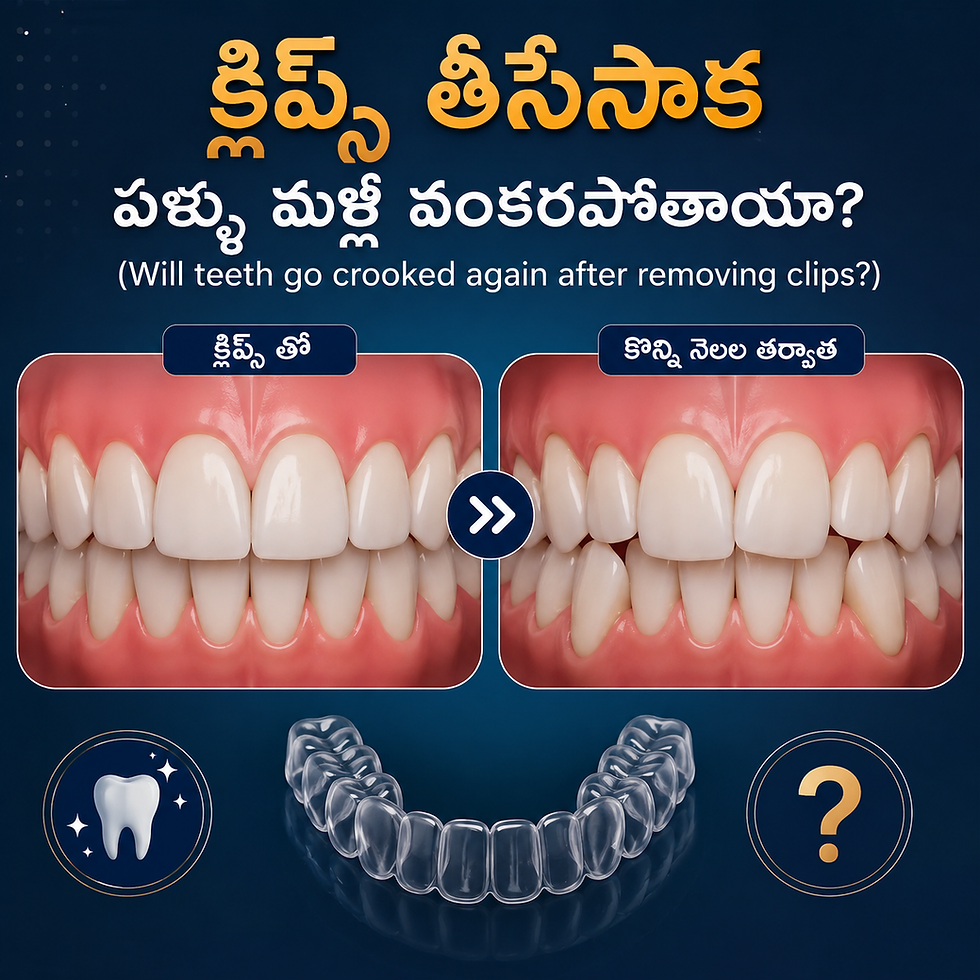
Can the Gap Return?
Yes.
Even after successful orthodontic treatment, the gap may reopen if:
- The habit continues.
- Retainers are not worn as advised.
- Tongue thrusting remains untreated.
- Gum disease progresses.
Long-term retention and regular dental reviews help maintain results.
Prevention Tips
- Avoid chewing pens or pencils.
- Stop nail biting.
- Seek treatment for tongue thrusting if present.
- Wear retainers exactly as instructed after orthodontic treatment.
- Maintain healthy gums with regular professional dental care.
- Schedule routine orthodontic reviews if you notice changes in tooth position.
Frequently Asked Questions
Can pen biting really move teeth?
Yes. Repetitive low forces over long periods can contribute to tooth movement in susceptible individuals.
How long does it take for teeth to move?
The time varies between individuals and depends on the force, duration, frequency, age, and biological response.
Can clear aligners close small front tooth gaps?
In many suitable cases, yes. An orthodontic evaluation determines whether aligners are appropriate.
Will the gap close naturally after I stop biting my pen?
Not always. Existing tooth movement often requires orthodontic treatment.
Is every front tooth gap caused by pen biting?
No. Spacing may also result from genetics, missing teeth, tongue thrusting, gum disease, abnormal frenum attachment, or other dental conditions.
Conclusion
A small habit performed every day can sometimes have a significant impact on your smile. If you have recently noticed a gap developing between your front teeth, do not ignore it or assume it is simply part of aging.
A professional orthodontic examination can identify the exact cause and recommend the most appropriate treatment before the spacing becomes more noticeable.
About Kiran Dental Clinic
At Kiran Dental Clinic – Advanced Ortho & Implant Center, Vizianagaram, orthodontic care is provided by Dr. Kiran Vungarala (MDS Orthodontist), and comprehensive gum care is provided by Dr. Priyanka Majji (MDS Periodontist (https://www.kirandentalvzm.com/post/meet-dr-priyanka-majji-vizianagaram-s-trusted-periodontist-implantologist-gum-health-specialist) & Implantologist).
If you have noticed a new gap between your front teeth or are concerned about oral habits affecting your smile, schedule a consultation for a personalized evaluation.
📍 Vizianagaram
📞 8500700701

Comments