Can a Tooth Decay Again Under an Old Filling? Understanding Recurrent or Secondary Caries

Yes, a tooth can develop decay again around an existing filling. This is called secondary or recurrent caries. It is associated with decay at or near a restoration and can be influenced by restoration defects or gaps, plaque/biofilm, diet and the patient's overall caries risk. An old filling does not automatically require replacement; clinical evaluation determines the appropriate treatment.
A dental filling removes and replaces tooth structure damaged by an existing cavity. However, the tooth remains susceptible to future caries.
NIDCR notes that fillings and crowns do not last forever and may eventually need replacement. It also specifically points out that teeth with fillings can still develop decay, including around a damaged or chipped restoration.
The decay associated with an existing restoration is commonly referred to as secondary caries or recurrent caries.
What is secondary or recurrent caries?
Secondary caries is a carious lesion associated with an existing restoration or sealant. It is usually discussed in relation to the margin or interface between the restoration and tooth.
Several factors can contribute, including:
Plaque and cariogenic biofilm
Frequent exposure to sugars and fermentable carbohydrates
High individual caries risk
Defects or deterioration of the restoration
Restoration margins that are difficult to clean
Changes in the surrounding tooth structure
Research reviews emphasize that secondary caries is a multifactorial problem rather than something caused by one factor alone.
Does an old filling automatically mean there is decay underneath?
No.
This is an important distinction.
A filling may be old and still clinically acceptable. Conversely, a restoration may have a problem even when the patient has no pain.
Therefore, dentists should not decide to replace a filling solely because it has been present for a certain number of years.
The restoration, tooth structure, caries activity and patient's overall risk should be considered together.
Why can decay develop around a filling?
1. Restoration deterioration
Dental restorations experience chewing forces and changes within the oral environment over time.
NIDCR states that fillings and crowns generally do not last a lifetime and may eventually require replacement.
2. Plaque accumulation
Plaque is a bacterial biofilm. When bacteria metabolize sugars and starches, acids can be produced that contribute to tooth mineral loss and decay.
3. Restoration defects or gaps
The relationship between restoration gaps and recurrent caries is complex. Evidence suggests that restoration gaps and the patient's caries risk can both influence secondary caries development.
So it is better to say:
“A defective restoration margin can increase the risk of recurrent decay under the right conditions.”
rather than:
“Every microscopic gap causes bacteria to enter and create a cavity.”
That distinction matters clinically.
Can recurrent decay happen without pain?
Yes.
Early tooth decay often produces no symptoms. As decay progresses, sensitivity or toothache may develop. More advanced disease can lead to infection, abscess and even tooth loss.
That is why absence of pain is not proof that an old filling and the tooth underneath it are healthy.
How does a dentist detect decay around an old filling?
Depending on the tooth and clinical situation, assessment may include:
Visual examination
Examination of the restoration margins
Assessment of tooth structure
Evaluation of plaque and caries risk
Bitewing or other dental radiographs when indicated
Comparison with previous dental records or radiographs
Detection of secondary caries can be challenging, and published reviews note limitations in some diagnostic methods.
What happens if recurrent decay is found?
Treatment depends on the extent and activity of the decay and the condition of the existing restoration.
Early or non-cavitated lesions
If appropriate, the dentist may focus on controlling the caries process through preventive and remineralization strategies, including fluoride and improved plaque control.
Localized decay around a restoration
If the existing restoration is defective and decay is present, the dentist may recommend removal of the defective restoration and placement of a new restoration.
Extensive tooth damage
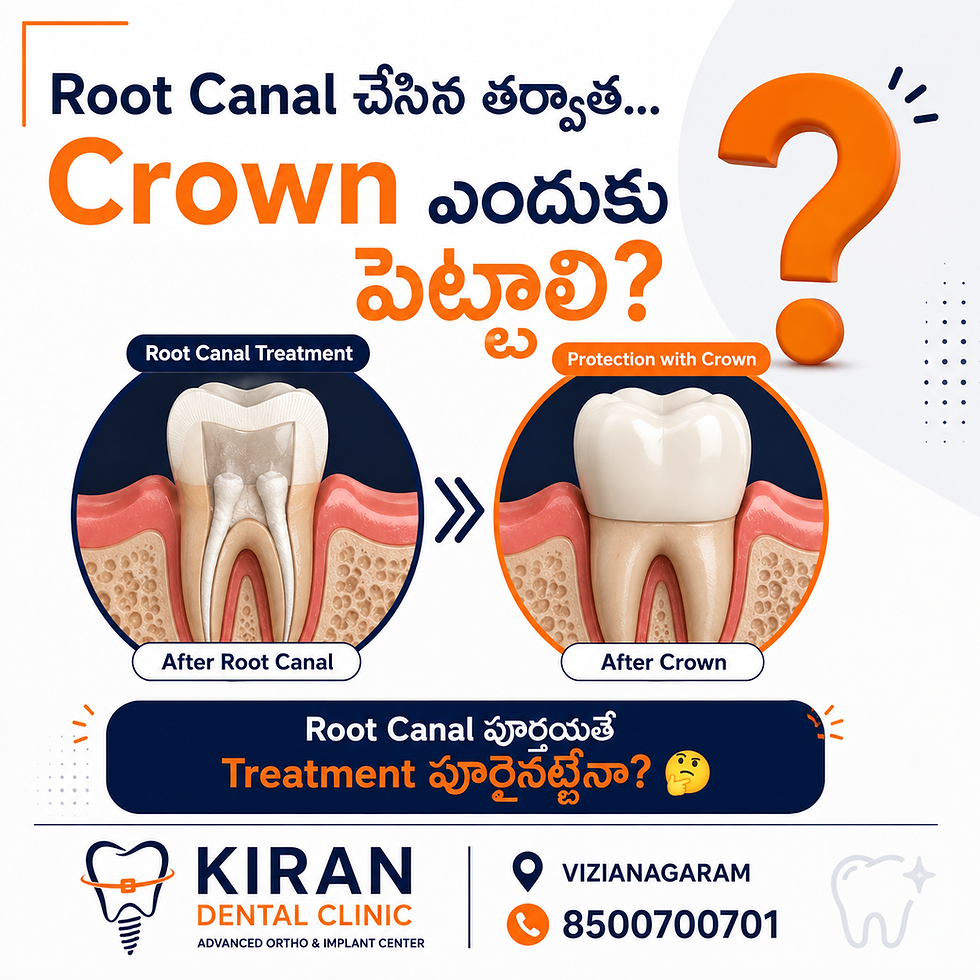
If substantial tooth structure has been lost, a more protective restoration such as a crown may sometimes be appropriate. NIDCR notes that crowns can be used to restore badly broken-down teeth.
Pulp involvement
If decay has progressed sufficiently to involve the dental pulp, treatment may require endodontic therapy followed by appropriate restoration.
The treatment decision should be based on clinical and radiographic findings rather than simply the age of the filling.
How can you reduce the risk of recurrent decay?
You can reduce your overall caries risk by:
Brushing twice daily with fluoride toothpaste
Cleaning between teeth regularly
Limiting frequent sugary foods and drinks
Avoiding constant snacking throughout the day
Maintaining regular dental examinations
Getting damaged or chipped fillings evaluated
Following an individualized preventive plan if you have a high caries risk
NIDCR recommends fluoride toothpaste, good oral hygiene, sensible dietary choices and regular dental visits as part of tooth-decay prevention.
Frequently Asked Questions
Can a cavity form under an old filling?
Yes. Decay can develop at or around an existing restoration and is called secondary or recurrent caries.
How do I know if my filling has decay underneath it?
You may not be able to tell yourself. A dentist can assess the filling margins, tooth structure and, when indicated, dental X-rays.
Does a black line around a filling mean decay?
Not necessarily. Staining, marginal changes and actual caries are different findings. The area should be clinically assessed.
Should I replace an old filling even if it doesn't hurt?
Not automatically. A dentist should evaluate the restoration and tooth before recommending replacement.
Can recurrent decay cause a root canal?
If decay progresses deeply enough to damage or infect the pulp, root-canal treatment may become necessary. Early diagnosis can help avoid progression to more extensive disease.
How often should old fillings be checked?
There is no single replacement interval that applies to every filling. Your examination schedule should be based on your oral health and caries risk.
Conclusion
Yes, decay can develop again around a tooth that already has a filling.
The important term is secondary or recurrent caries.
But the right takeaway isn't “replace every old filling.”
The smarter approach is regular clinical evaluation + good plaque control + fluoride exposure + sensible dietary habits + early management of any restoration or tooth changes.
If you have an old filling that is chipped, sensitive, trapping food, changing around the margins, or simply causing concern, have it examined rather than waiting for pain.
Have an old filling you're unsure about?
Kiran Dental Clinic – Advanced Ortho & Implant Center provides specialist-led dental care in Vizianagaram.
📍 RTC Complex Road, Vizianagaram
📞 8500700701
Clinical content: Dr. Priyanka Majji, MDS Periodontist & Implantologist
Dr. Kiran Vungarala: MDS Orthodontist


Comments